what causes leaves to change color in the autumn
Always wonder why leaves change color each fall?
We checked in with a real "fall guy," Appalachian Land University Biology professor, Howard Neufeld, who has been studying autumn color for much of his career, to get the answer. His scientific interest in what occurs within a leaf has naturally progressed to what shows outside, and when. Neufeld'southward research and sociability have fabricated him a become-to guy for fall color scientific discipline and forecasting. So what does he say about why leaves change colour?
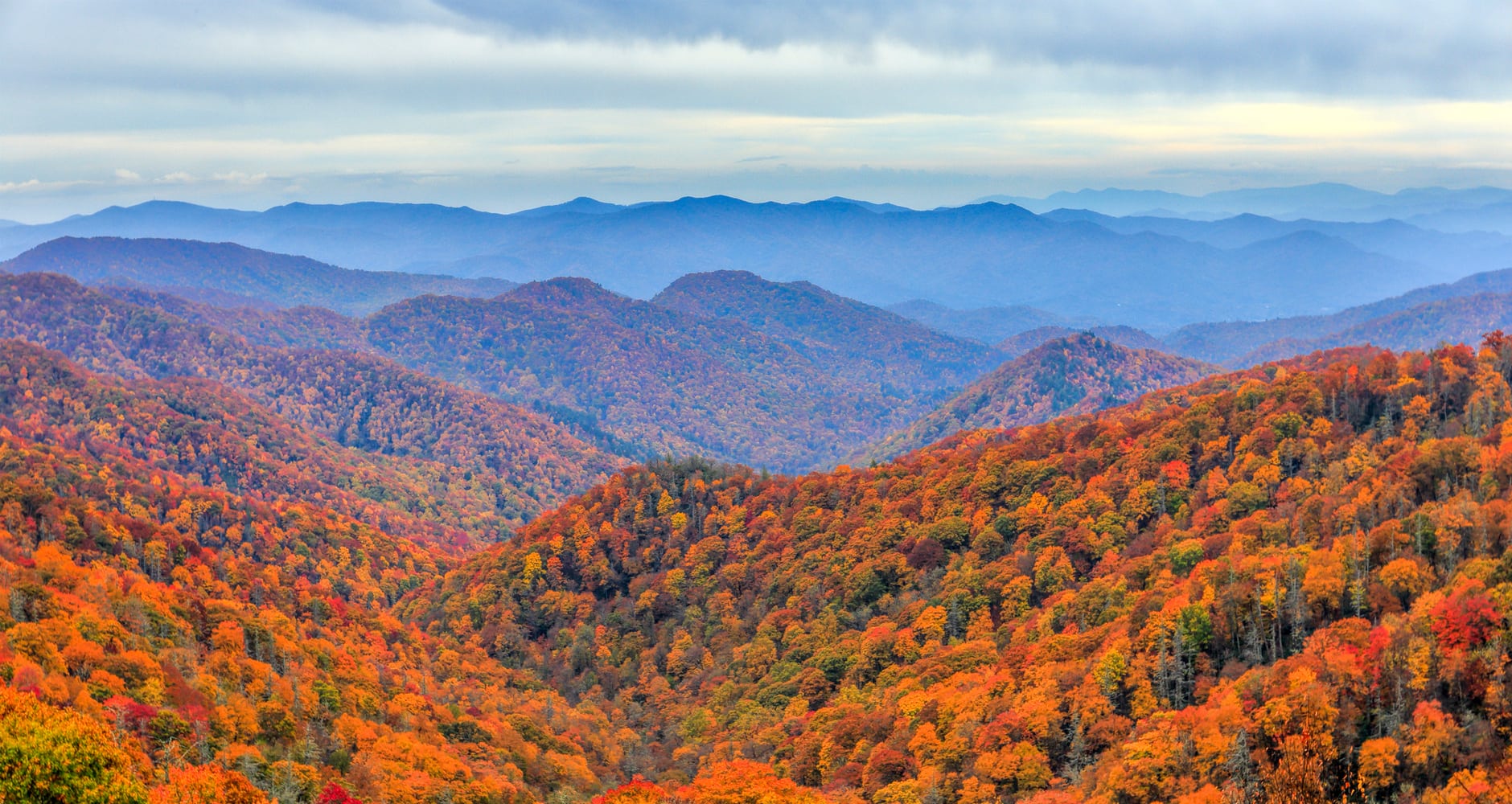
What Signals A Leaf To Change Colour?
The vivid, ofttimes simple colors on the exterior are the products of the complex chemistry of growth within a leafage. Have the yellows and oranges, for case—the dominant colors of aspen, ash, birch, beech, hickories, maples, some oaks, tulip poplar, and sassafras—by and large, these colors come from compounds called carotenoids (also responsible for the colour of carrots) which are nowadays in the leaf during the growing season.
The dark-green chlorophyll, the workhorse of photosynthesis, dominates and covers up those carotenoids in summertime. As the days abound shorter and the temperatures cool, chlorophyll degrades and goes from dark-green to colorless, allowing the oranges and the yellows to evidence up. These colors are present in the leaf during its growing season.
What About The Reds – How Does That Happen?
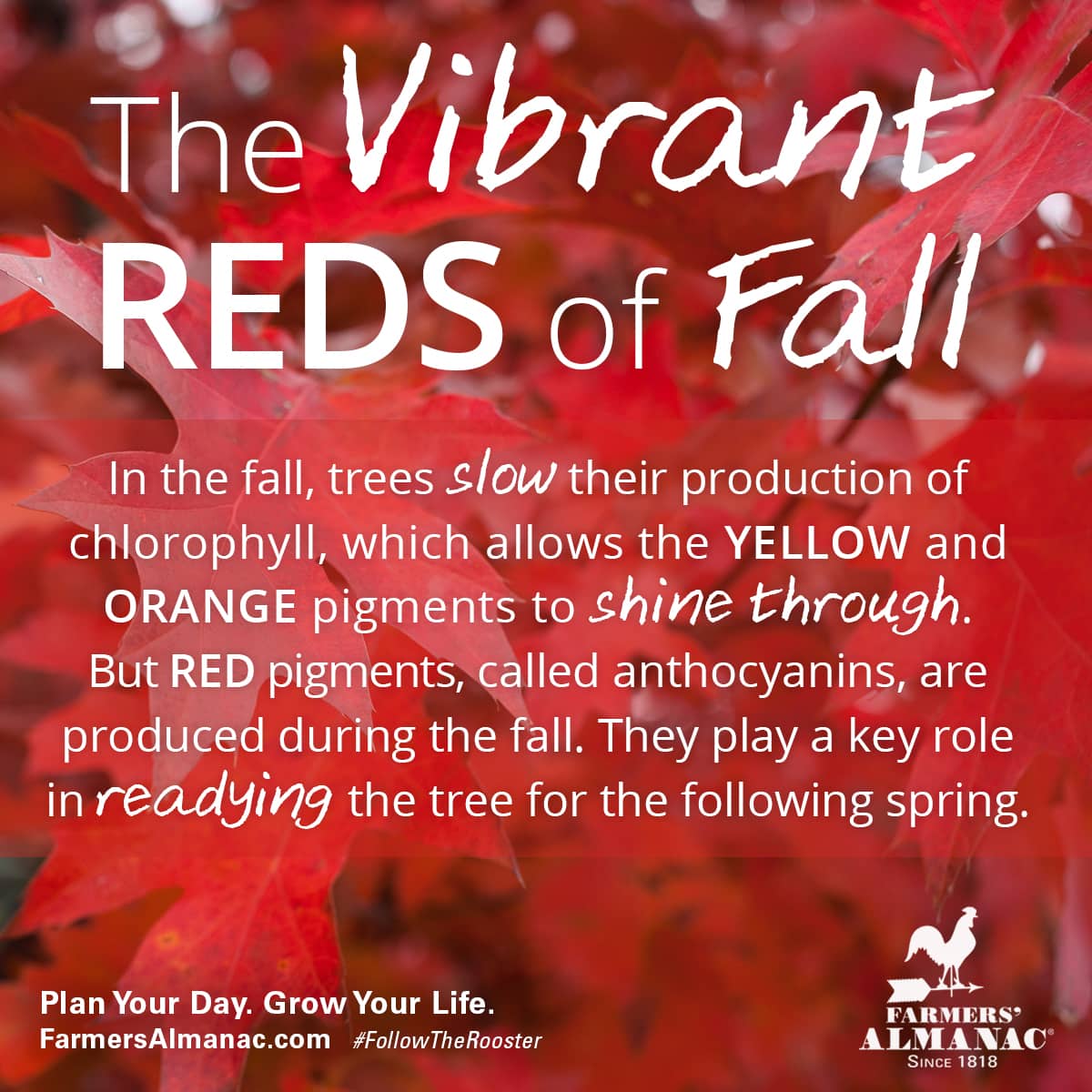
Those gorgeous scarlet, ruby, and ruby hues of the crimson maples, black gums, dogwoods, sourwood, and oaks are what makes autumn the about scenic. "Red pigments are not present in the leaf during summer," Neufeld says. "Trees that turn red actually produce this pigment, called anthocyanin, in the autumn." Withal, though we might similar to remember and so, plants don't make this cerise pigment for our appreciation. These pigments play a cardinal role in readying the tree for the side by side spring. Researchers discovered that anthocyanins act as a sunscreen, protecting leaves (especially evergreen ones) from bright seasonal light when information technology is cold exterior. Other researchers have discovered that the sunscreening effect protects leaves from likewise much light, which tin can interfere with late-season transport of nutrients from the leaf back to the twigs, something trees exercise as a conservation mechanism.
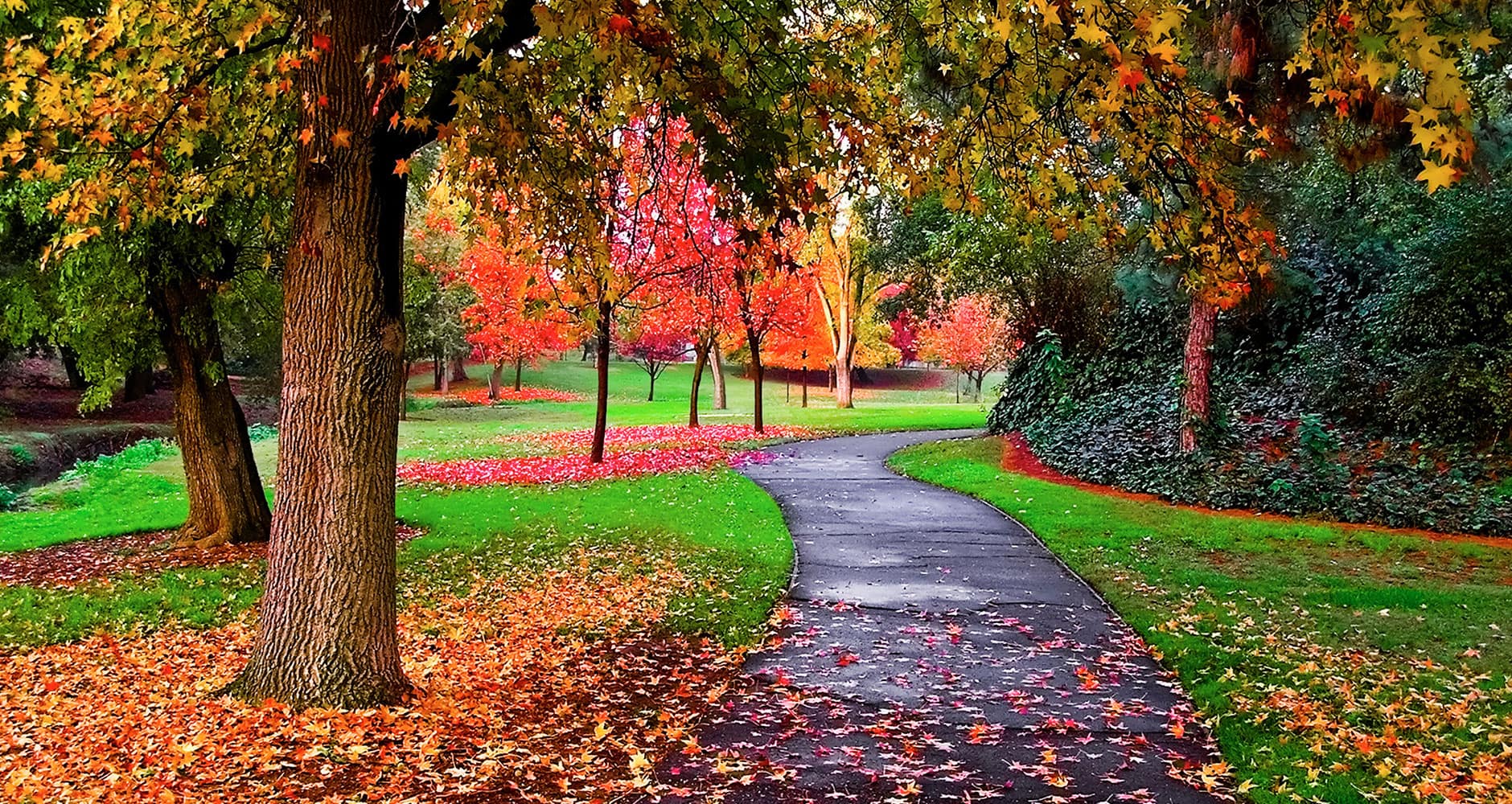
Notwithstanding, other scientists believe the cherry-red color serves to ward off insect pests. A healthy, strong plant has lots of anthocyanins; certain insects laying eggs in the fall may seek other, weaker host plants for their offspring.
While anthocyanins may ward off insects, in that location is no doubt that they are magnets for "foliage peepers" for fall color tourism. A lilliputian bit of cherry-red goes a long fashion—and more is even better.
What Conditions Make For Good Fall Colour?
Neufeld offers a "recipe" for adept autumn color: "Starting in August, days must be sunny and the nights steadily cooling. This allows the trees to manufacture sugars, and sugars stimulate the leaves to make anthocyanins. The cold helps keep the sugars in the leaves producing anthocyanins."
The calendar needs an Baronial footnote to remind us to watch the weather during that month for fall color later. Too many clouds, too much rain, or too much oestrus in the eighth month can make for a duller fall. September, though generally cooler, follows suit. "Drought is the other enemy of a skillful autumn." Neufeld adds, "The trees have to be in a healthy country —not water-stressed—heading into the season."
Neufeld does his best to provide such guidance with continuous ascertainment. The good news for would-be travelers is that "top color" is a peculiarly local condition depending on the local atmospheric condition, the mix of trees, the elevation to a higher place body of water level, and the distance from the equator.
When Do Leaves Modify?
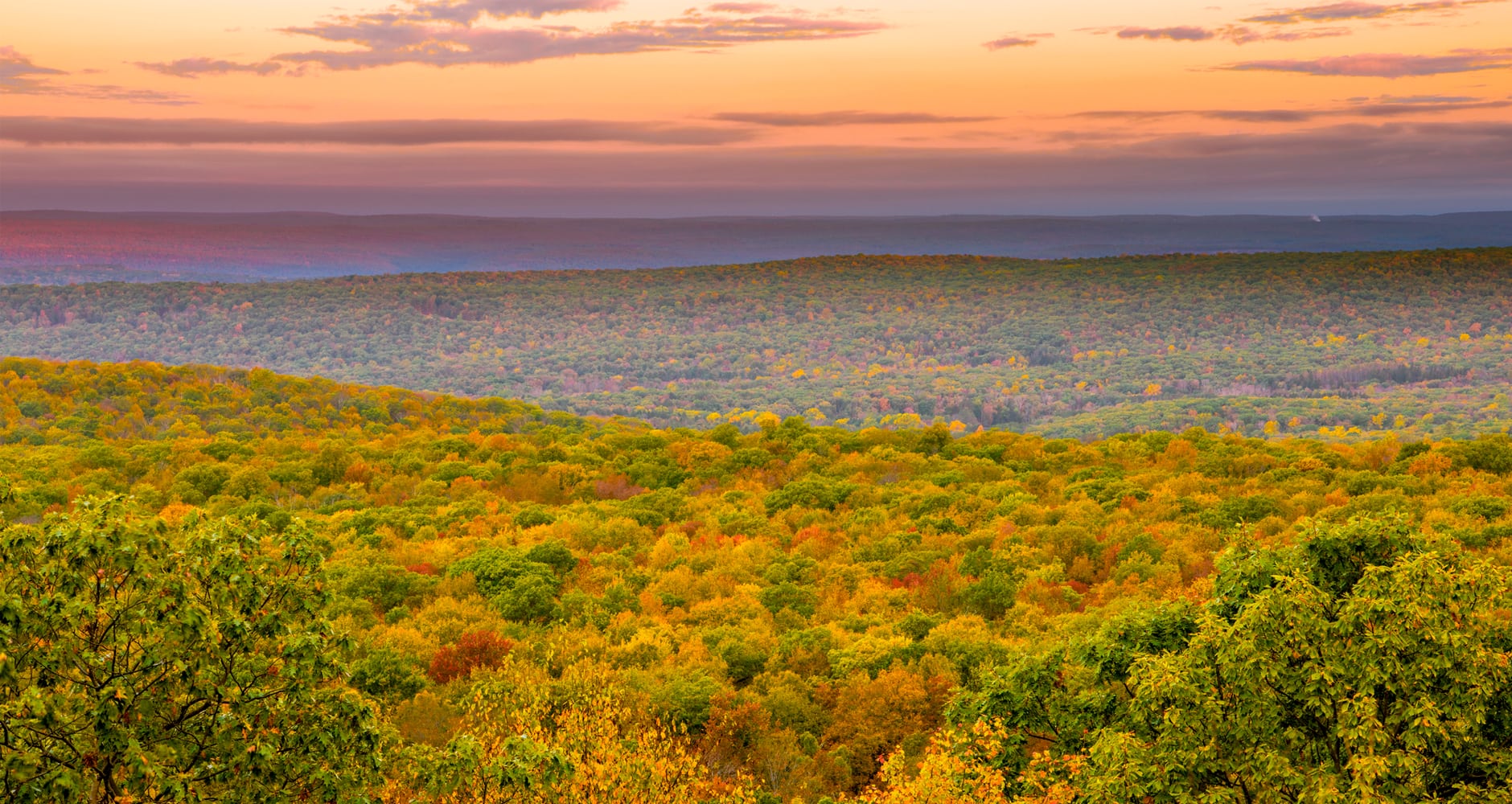
Autumn colour starts before at higher altitudes and in northern regions than it does in lower elevations or further s. Apply these rules to a map of North America and it is possible to zigzag north to south, college to a lower altitude to extend autumn color viewing for virtually six weeks, maybe longer. Fall color is about location, location, location—and good timing!
What About Trees Down Southward—Exercise They Change Color?
Where palm trees, live oaks, and cactus grow, there is little to "rake dwelling house about" in fall. The Gulf Coast and the arid southwest are mostly autumn-colorless.
What Tin I Plant For Autumn Color?
Desire a outburst of color each fall? Consider planting these small trees with reliable fall color:
Red – Flowering Dogwood
Yellow – Redbud
Orange/Crimsom – Japanese Maple
Fantabulous fall color featured in large trees includes October Celebrity reddish maple (uniformly cherry-red), sugar maple (orange), and katsura (yellow).
When can you wait peak leafage in your state?

Glenn Morris
Northward Carolina native Glenn Morris is a freelance Travel and Garden writer. He is the author of Taylor's Weekend Gardening Guide to Small Gardens, and N Carolina Beaches. His article What in the Earth is Workamping? appears in the 2021 Farmers' Almanac.
Source: https://www.farmersalmanac.com/chemistry-fall-color-19160

Post a Comment for "what causes leaves to change color in the autumn"